

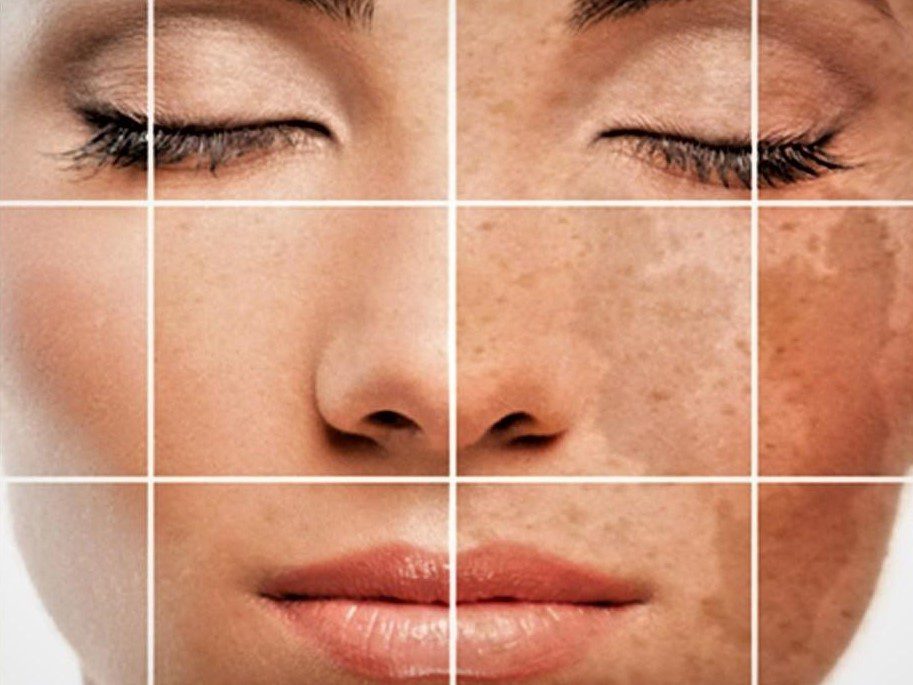
Laser Treatments for pigmentation concerns including
age spots, melasma, freckles, skin tags, lentigo and birthmarks.
How Does it Work?
A laser light is passed over the pigmented skin, microscopically shattering the pigment into tiny particles which are more easily processed and eliminated by the body. Most patients undergo a ten-minute treatment. A mild to moderate irritation of the overlying skin is to be expected for a few days to a week, depending on the depth and amount of pigment to be removed.
Age Spots/ Birthmarks/ Freckles/ Moles/ Skin Tags
Age Spots or skin lesions are very common among us. They can vary in size, colour, and can appear anywhere on your body. Some skin lesions are present at birth such as birthmarks and moles, while others develop later in life, such as warts. Skin lesions can be hereditary or may be caused by various other factors like the accumulation of bacteria or toxic environmental influences.
How to prepare for laser pigmentation treatment
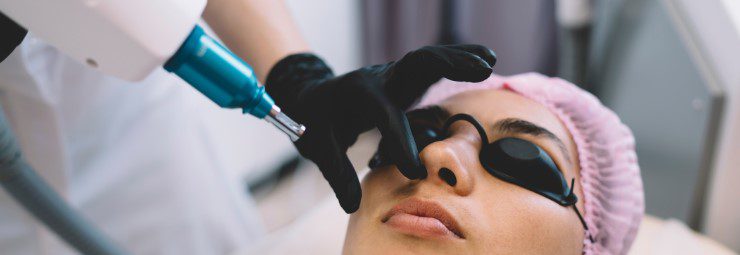
You should avoid sun exposure, certain medications, and other treatments:
- Sun exposure
Avoid sun exposure, tanning beds, and self-tanning products for 1–14 days before your treatment.
- Medications
Avoid medications that cause photosensitivity, such as doxycycline or minocycline, for at least 72 hours before treatment.
- Other treatments
Avoid waxing, threading, deep facial peels, chemical peels, microneedling, and laser hair removal for 2–4 weeks before treatment.
- Topical products
Avoid harsh topical products, prescription serums, creams, steroids, acid-based products, retinol products, glycolic acid, and AHA/BHA products for 3 days before treatment.
- Cosmetic injectables
Avoid cosmetic injectables in the treatment area for 48 hours before treatment.
- Antiviral medication
If you have a history of herpes or shingles in the treatment area, start your antiviral medication as directed.
You should also disclose any medical history, skin conditions, or recent sun exposure during your consultation.
DIFFERENT PIGMENTATION IDENTIFICATIONS
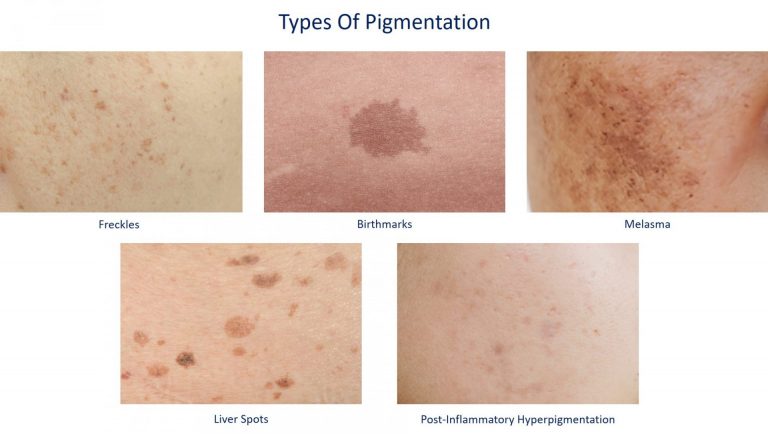
Age spots
also known as liver spots, freckles, moles and other unwanted pigmentation are often associated with skin ageing and sun damage caused by excessive exposure to the sun. From the age of around 40 the skin is less able to regenerate from sun exposure and age spots start to appear. Generally, these age spots cause no health risks, however, they can be unsightly and create a patchy, less youthful appearance.
Birthmarks
are common skin lesions that are present at birth or developed shortly afterwards. There are two main types: vascular birthmarks which result from a concentration of blood vessels or pigmented birthmarks which consist of pigment producing cells. The depth of the birthmark and its characteristics affect the response to treatment.
Skin tags
are small brown or flesh-colored growths that hang from the surface of the skin. They are completely harmless and are usually only a few millimeters in size. They can be found on the face or body and affect men or women.
Who is a Candidate?
Most skin types except the very darkest skin. Patients with tans should wait until their tan fades before undergoing this treatment.
*Avoid excessive sun exposure. Avoid tanning for one month before your treatment. *
Does it Hurt?
The Nd:YAG laser treatment causes a slight sting. Anaesthetics are not needed for most patients; however, those with very sensitive skin may apply a numbing cream 30 minutes before the procedure if desired.
Are there any possible side effects?
Side effects vary depending on the particular procedure you receive! Your health and heredity will also affect the outcome. Common post-procedure effects usually involve mild redness, inflammation and light bruising around the area which can last from a few hours to several days.
laser treatment causes a superficial wound on the skin that takes a week or more to heal. The minor injury on the outer layers of the skin may cause mild to moderate redness, swelling and crusting. Scarring and infections can happen but are very rare.
After each treatment, you should keep the treated area protected and eliminate direct exposure to sun for at least 6 weeks or as long as our expert support team advises. Once the area is healed, we recommend you protect it with sun block whenever there is the risk of sun exposure. The treated area may heal with increased or decreased pigmentation. Usually this occurs with darker complexions. Hyperpigmentation usually fades in 3 to 6 months and even though permanent pigment changes are rare.
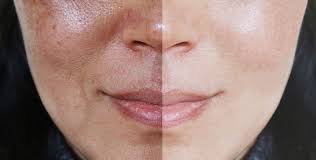
What kind of results can I expect?
In most cases laser treatments, lead to satisfactory fading or complete removal of freckles, age spots, moles, skin tags and birthmarks. In order to reduce the possibility of freckles and age spots from returning, it is recommended that you minimize your sun exposure and do maintenance treatments every so often.